- Home
Types of Siding
Your Quick Guide to House Siding.
Here's a simple, at-a-glance guide to the most common house sidings;
- materials,
- styles,
- how they handle weather,
- what they cost,
- and how to pick the right contractor for the job.
Purpose of the Site. To Compare and Review the major types of house siding. Styles, Materials, Weather, Maintenance, Costs and reviews.
- Created by retired home improvement contractors with deep industry experience.
- Designed to help homeowners choose the ideal siding for their home by offering real-world advice and insights.
Choosing a new house siding involves weighing factors like durability, maintenance, aesthetics, cost and climate suitability.
Below is a concise overview of the most common siding options, their pros and cons, and approximate materials costs per square footage based on current trends and data from various home improvement sources and the web.
Project Pricing
This guide will give you a general framework for pricing installing new house siding. You can review how the different types of siding compare in pricing, the standard pricing for each type of siding: ie: Hardie Board, vinyl, engineered wood siding, fiber cement siding, wood siding and even cedar shake and shingles.
How much more does it cost to replace siding on a two-story house vs one-story?
To see how much more it costs to replace siding on a two-story house vs one-story, and the reasons why:
Click Here to see more in-depth information
Extra Story Siding Cost
You know that if you have a two story home it will require more materials (siding) and labor to install than if you have a single ranch style house. Therefore the bigger the house the more it will cost to install new siding.
Contractors will give you a quote that determines the total amount of material, or amount of siding needed, and the total amount of expected labor to install that siding. Materials plus labor will be the quote.
However there are other factors that must be included such as how many doors and windows you have. And corners, corners require more work to work around and therefore require additional labor.
How much more does it cost to replace siding on a two-story house vs one-story?
If your house has more than one story, the contractor must figure into his pricing the cost of adding scaffolding to the job site so his laborers can reach the extra height of the building.
Extra work will be required to assemble the scaffolding, move it around the house as the workers finish each section. This is time that is additional work and not necessary in single story houses. This extra work much be estimated by the contractor and added on to the labor cost of his quote. Expect to pay as much as 25% extra for scaffolding.
This is why house siding contractors always want to come to your house to walk around the house and judge the difficulty of erecting and moving scaffolding around the property.
So the quick take-a-way is that the higher the house the more labor it will take to allow the workers install the siding, and the higher the labor cost of moving that scaffolding.
Does a three-story house require scaffolding or lifts for siding-and what does that add to the price?
If your home is three or more stories high, the contractor will be required to erect scaffolding tall enough to reach the highest point of the building. Each level of scaffolding requires additional labor to put together and addition hours of labor to take apart and move. This extra labor will increase the cost of labor signifyingly. Contractors must come to your house and figure the additional scaffolding material and labor to erect it into the final quote.
This additional cost should be including in the quote the contractor gives you. It is a talking point that you will want to go over with each contractor personally. The contractor will be glad to go over this additional labor cost with you.
Additional work like scaffoldiing should be broken down and talked about with each contractors quote. It is a labor cost and by breaking it down and showing how the contractor came up the additional cost is a good reference point that will allow you to compare three different siding quotes more "apples-to-apples".
How do dormers, gables, and complex rooflines increase siding labor costs?
On a regular house when the walls are long and straight the labor to install new siding is pretty standard. The contractor knows about how much siding his crew can install in a day. So price is pretty consistent.
When the contractor comes out to personally inspect you house he will look for dormers, gables, windows, doors, and complex rooflines that will slow down his workers and add more labor cost.
This is why a contractor can not give you a reliable quote over the phone, he must physically come to the property site and see the house.
When homeowners call a contractor and ask what they charge to put new siding on a house, the contractor will almost always use the number for a ranch house with simple straight exterior wall in order to keep the price low. However, no good contractor will give you a quote without him visiting the site and calculating the variables such as dormers gables windows, doors, complex rooflinges, water damaged wood, facia and soffit condition.
How does limited access and tight side yard, steep grade affect siding installation costs?
When a contractor visits your house and he sees problems such as tight side yards that will hinder his workers from moving around with ease, and storing material and tools, he knows that these problems will add labor cost to the job. The more difficult it is to work the longer it will take to complete the job.
Any obstructions around a house will require the workers to have to work around the conditions and therefore will increase the labor cost.
What's the cost impact of replacing siding above a porch/deck/roof that blocks ladder access?
Any time a contractor sees a situation that requires extra labor to solve, he will have to figure out how much extra time it will take to solve that problem.
If the workers can not easily reach the work area, such as porches, decks or any thing that blocks the workers ladder access, this will require extra time and extra labor hours to be included in the quote.
Also keep in mind that most siding installation activities require two or more labors to pick up, move, hold in place, and attach each siding piece. So the contractor is adding multiple workers to each additional task needed.
Quick Start Choice
A.
I already have a material in mind: (Hardie Board/ fiber cement, vinyl, engineered wood, wood, cedar shake.)
Click Here to go directly to Types of Siding
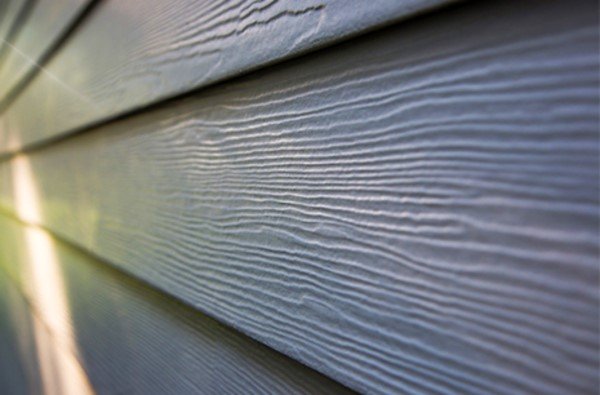 Hardie Board Siding, stronger than real wood, looks just like real wood with less maintenance.
B.
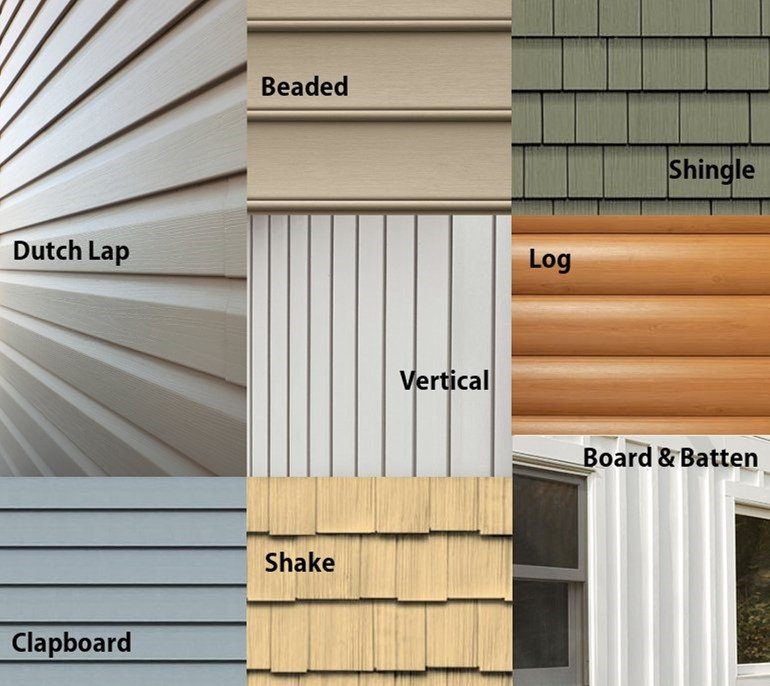
I already have a 'Look' or style that I like. Clapboard, lap siding, board and batten, cedar shakes or shingles.
Click Here to go directly to Styles of Siding
C.
I want to review and see the most common house sidings to gather more information.
Just go down the page and review the most commone house sidings.
|
I already have a material 'Type' in mind: 'TYPES'
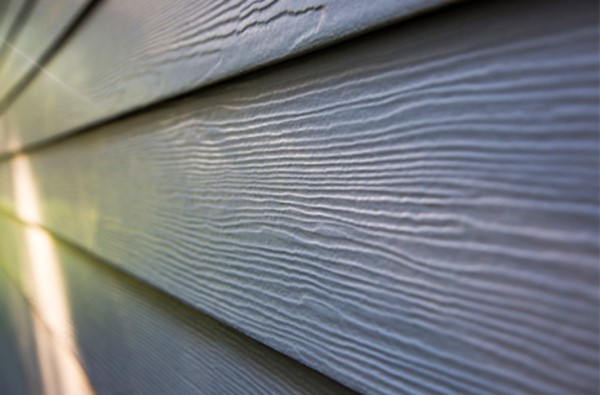 James Hardie Board Siding. James Hardie Board Siding. |
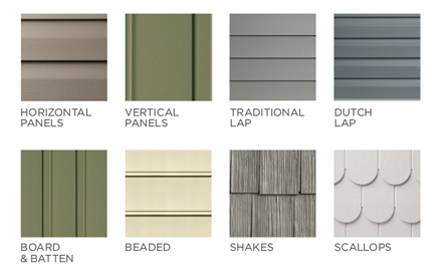
I already have a 'LOOK' or style that I like
 |
House Siding Types
Here are the most common and popular types of house siding. Each one has its own merits. Each one has characteristics that are unique to the material that it is made from. Each is designed for use in specific areas and locations. Each can be manufactured to look just like real wood.
Vinyl Siding for Houses
The number one selling house siding on the market.
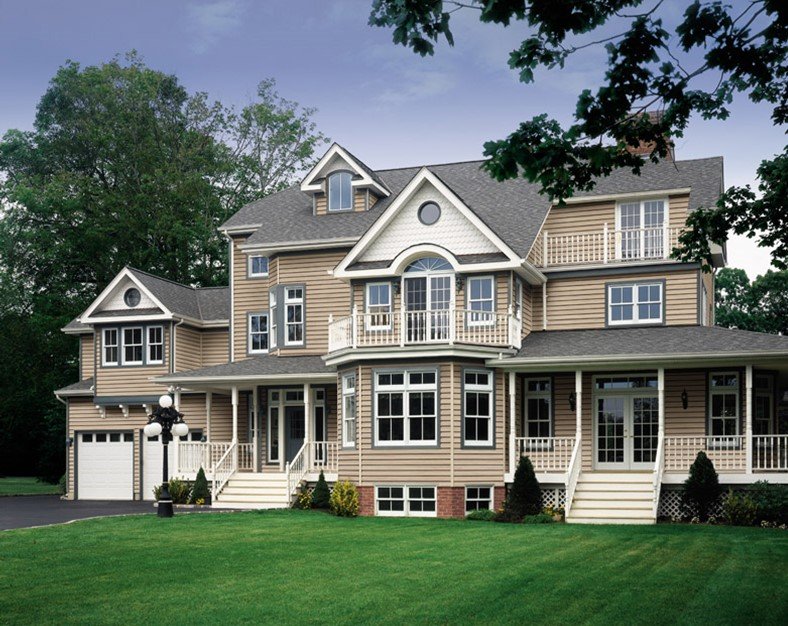 CertainTeed Vinyl Clapboard Siding. Timeless beauty, great curb appeal, easy on the budget.
Affordable, Low-Maintenance, Most popular.
- Maintenance: just rinse with garden hose.
- Great in Rain/Humidity.
- Good wind resistance.
- Comes in many colors.
- Doesn't fad in sun light.
- Cost: $5 to $10 sq ft
- Best for Budget-Friendly durability.
For more information on Vinyl Siding Click Here
Hardie Board Siding
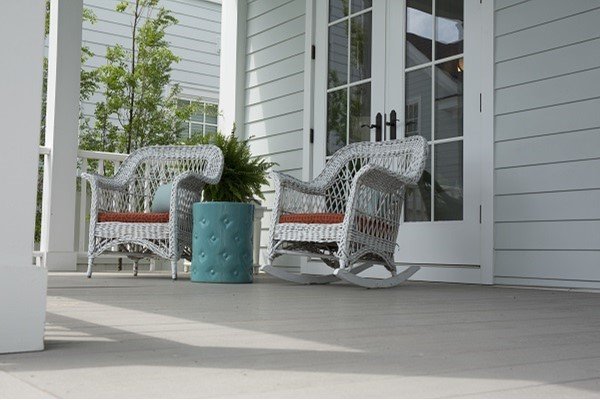 Hardie Board Siding in Clapboard or Lap style siding.
Sometimes called "cement board siding" or just Hardie Board. Maximum Protection
- Fire-resistant
- Strengths: Top-tier protection for high winds including hurricane force winds.
- Insect resistant,
- Great for rain, mildew, rot and snow.
- Maintenance: Repaint as needed. Less maintenance than real wood siding.
- Cost: $9 - $15 sq ft. For material only.
- Best for Homeowners seeking high durability and increased home value.
For more information on Hardie Board Siding Click Here
Engineered Wood Siding
 LP Smart Engineered Wood Siding. Looks like wood, is stronger, and requires less maintenance.
Engineered wood siding looks like real wood siding, better durability than real wood.
- Strengths: Good moisture and insect resistance.
- Fire-resistant
- Wind-resistant
- Cost: $7 - $12 sq ft. Material only.
- Great for warm, natural curb appeal without constant upkeep.
For more information on Engineered Wood Siding Click Here
Wood Siding
Wood house siding is the classic natural beauty.
- Best for traditional homes and homeowners who love the wood aesthetic.
- Strengths: Timeless look.
- Maintenance: Frequent painting and staining. General repair on moisture and insect damage.
- Cost: $10 -$20 sq ft. Material only.
- Weather Performance: Depends heavily on maintenance.
What Matters Most in Your Climate
If you are in an area where these conditions are present, here is a quick list.
- High Winds: Best is Fiber Cement, concrete board, and engineered wood.
- Heavy Rain and Humidity: Vinyl siding and fiber cement siding.
- Strong Sun: Fiber cement siding and vinyl hold color best.
How to Find the Right Contractor
Look for a contractor who:
- Installs the specific siding you want.
- Understands your climate,
- Provides clear estimates and warranties,
- Explains installation, not just price.
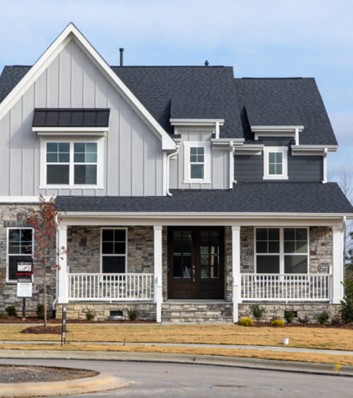 Board and Batten Siding. Creative and stylish. One of the most popular house sidings.
Side-by-Side Comparison
Quick comparison of the most common house sidings.
Vinyl Siding
- * Lowest cost option for homeowners wanting simplicity and budget friendly.
- * Performs well in Florida's heat and humidity.
Hardie Board Siding
Hardie Board is the top performer.
- * Durable fiber cement board holds up well in Florida's storms, rain, strong UV and potential hurricane conditions.
- * Non-combustible, termite-proof, and dimensionally stable.
Engineered Wood Siding
Engineered wood gives the homeowner the look and feel of wood, 'wood look'.
- * Strong contender in Florida thanks to resin-treated moisture resistance.
- * More impact-resistant than vinyl, and lighter than fiber cement.
- * Gives the wood look without wood's maintenance burden.
Why Siding Matters
Why Siding Matters: It is the first thing people see when they drive by your house.
It is the first thing people see when they drive by your house. It creates an image of what other people think about your home.
When you are thinking of installing new house siding these are some important things to consider.
- Curb Appeal: Your siding is the first thing people notice, it makes or breaks a home's exterior vibe.
- Weather Protection: Acts as a shield aginst rain, snow, wind, heat, and even hurricanes.
- Energy Efficiency: Siding helps reduce energy bills by adding a thermal barrier.
- Resale Value: Quality home siding increases property value and buyer appeal.
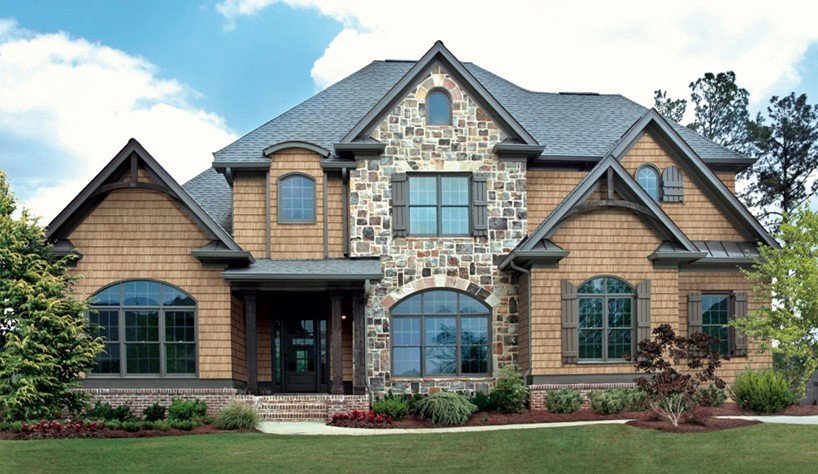 Cedar Shake Siding.
What To Look for in a Siding
What to look for in a Siding. How to make your house look new again.
Elevate Your Home's Exterior with a Sididng that Lasts. Whether you're updating a beloved family home or building your dream house, choosing the right siding is more than just curb appeal-it's an investment in comofrt durability, and energy efficiency, and longevity.
You must consider the following items before you actually go shopping for a new house siding.
Once you have carefully considered these items, going shopping for the best house siding will become a lot easier.
- Durability: Handles your local climae like a champ.
- Low Maintenance: Easy to clean and care for. Say goodby to painting, cracking or warping.
- Energy Efficient Materials: Reduce enegy bills, and enjoy year-round-comfort, and save money.
- Style Options: Textures, lengths, thicknesses, and colors. Endless options out there.
- Cost: Your budget considerations. How much do you want to spend?
- Know how much money you want to spend first, then you can shop the best home siding products within your range.
What is the Best House Siding?
What is the Best House Siding?
The best house siding?
Depends on your location, climate, budget, and maintenance preferences.
- vinyl siding is versatile and budget-friendly.
- Hardie Board, engineered wood siding, and cement board, are better for durability and weather resistance.
- Best is home siding that suits your home's needs, and fits your budget.
- makes your house look fresh and brand new.
- Updated and modern.
- Freshly painted and well maintained,
- And fits your Budget.
Most Popular Types of House Siding
Here are the most common and popular types of house siding. Each one has its own merits. Each one has characteristics that are unique to the material that it is made from. Each is designed for use in specific areas and locations.
Most popular- Types -of house siding.
James Hardie Siding
Engineered Wood
Cement Board Siding
Vinyl Siding
Fiber Cement
Most Popular Styles of House Siding
The style of house siding is the way it looks on the house. Does it run across the house (Clapboard or Lap Siding), or does it run up and down (Board and Batten).
Almost all sidings are manufactured to look like wood siding. Even the texture of the siding can look like real wood. Rough cut or smooth finish. Even Cedar Shake Shingle.
So vinyl, Hardie board, engineered wood, cement board siding or even real wood siding will come in the most popular styles.
The most common home siding styles. Each style can be found in vinyl, engineered wood, cement board, and hardie board.Certainteed Vinyl Clapboard Siding. Classic Look. Timeless beauty. Most popular house siding sold in the U.S.Popular House Siding Types
The following are the most popular home siding types.
James Hardie Siding
James Hardie Siding, or sometimes just Hardie Board Siding, is a type of fiber cement siding, made from a mixture of cement, sand, and cellulose fibers. A dense, durable material that is designed to resist rot, insect damage, and fire. Holds up exceptionally well under extreme weather conditions includiing heavy rain, high winds, and even hurricanes.
Hardie Board Siding, one of the most popular home sidings especially in coastal areas.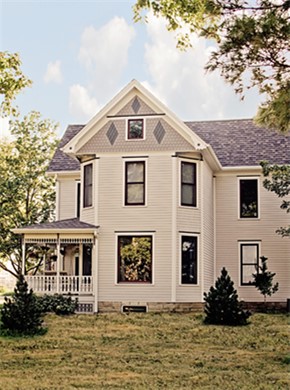 Hardie Plank siding is strong, durable, and comes in all the classic styles.
Hardie Board siding comes in all the most popular profile types. Can be painted any color.
Hardie Board Siding is much heavier than vinyl siding and requires professional installation. It is more difficult to install and therefore a bit more expensive. There are several factors that must be included when setting up a budget for this type of siding material. How big your house is the first consideration, which will determine how much siding you will need. Second is how high your house is, is it a one story or two or more stories? If your house is more than one story high the contractor will have to erect scaffolding to reach the second + stories. This will certainly increase the amount of labor the installation contractor will have to charge you.
For More Information on Hardie Board Siding, Click Here.
Engineered Wood Siding
Engineered wood siding is wood strand technology that offers superior protection against hail, wind, moisture, fungal decay, and termites.
Looks just like wood. Only stronger and less maintenance. Great for coastal areas. Great for high winds.
LP Smart makes a premeum siding that offers superior protection against winds, rain, snow, and even hurrican force winds.
LP Smart Siding, an engineered wood product, is a best buy if you are looking for a weather-proof siding.
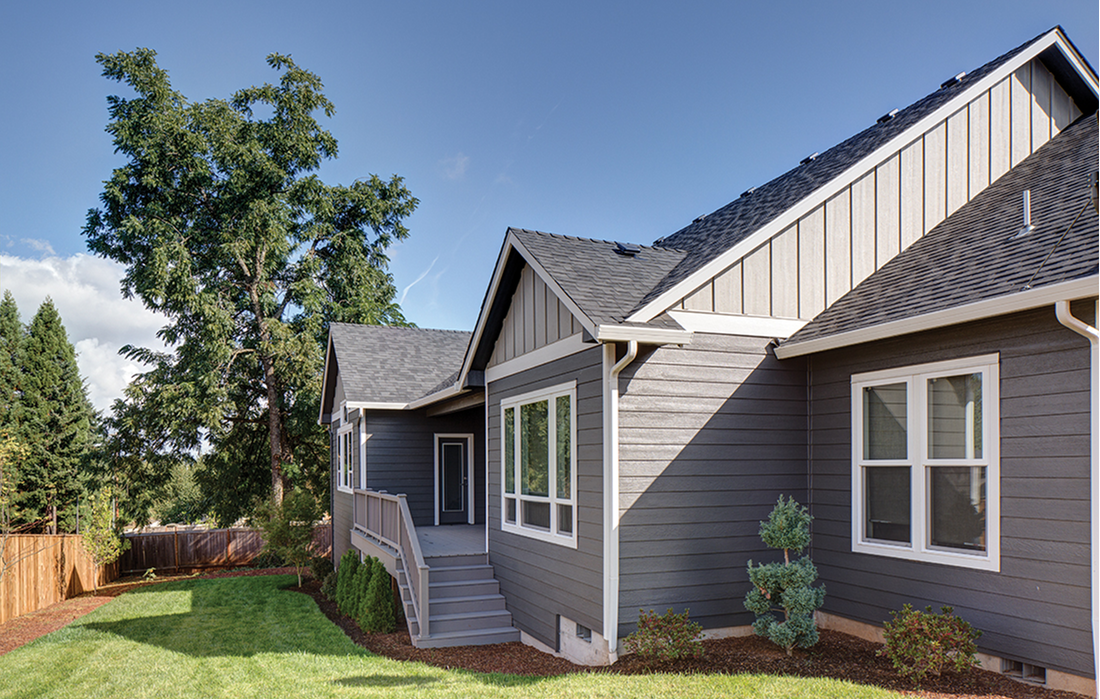 LP Fiber Cement Board SidingEngineered Wood Clapboard Siding
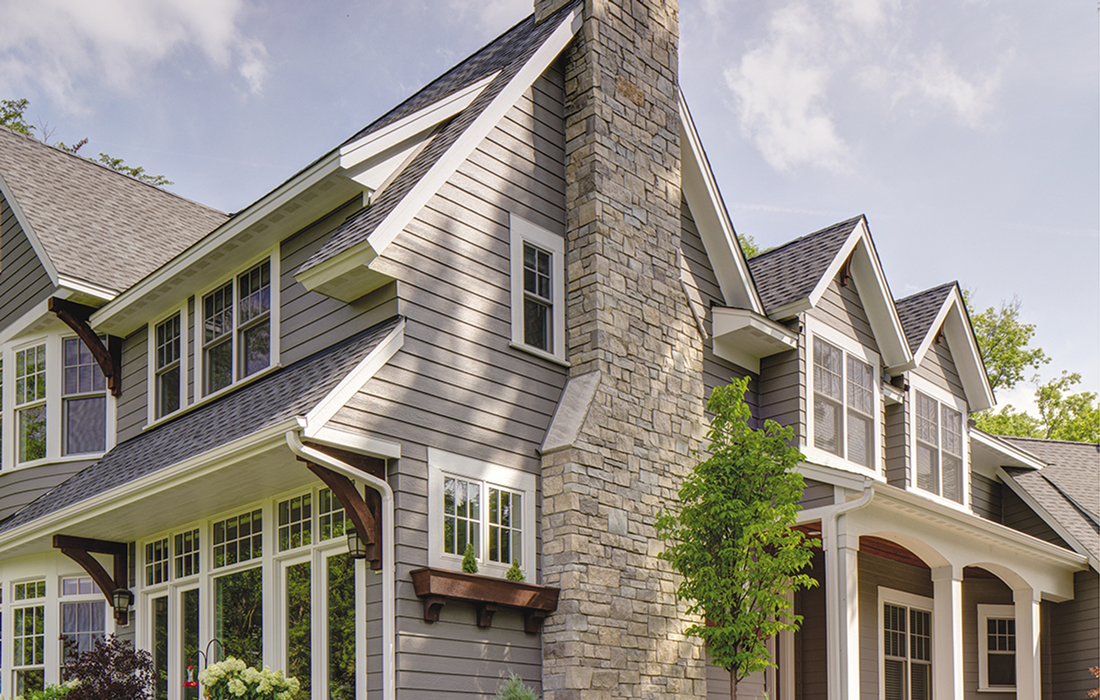 LP Engineered Wood Siding in Clapboard style.
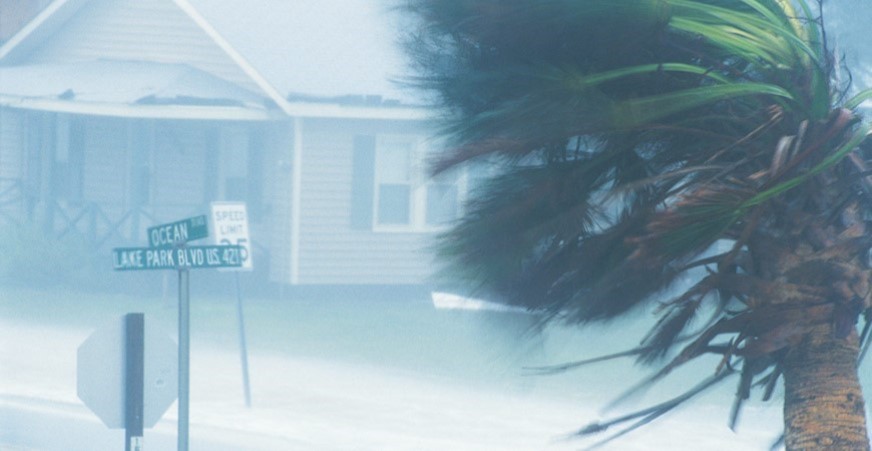 LP Engineered Wood Siding can take hurricane-force winds.
These siding products are designed to withstand high winds and prolonged exposure to moisture.
To see more information on LP Engineered Wood Siding, Click Here.
Cement Board Siding
Cement board siding is a composite material made from Portland cement, sand, and natural fibers like cellulose.
Also known as Fiber Cement Board, cement Fiber Siding, and Hardie Board Siding.
Significantly stronger than vinyl siding, providing a tough alternative suitable for harsh weather areas such as coastal areas. It resembles real wood siding but offers greater strength and durability.
Installed similarly to real wood siding, with long narrow boards nailed onto the house. It comes in rich textures, from deep wood grains to smooth finishes, providing a realistic look.

Priced several times higher than vinyl sidings. Cost, $3 to $15 per square installed.
For more information on Cement Board Siding Click Here
Vinyl Siding
# 1 Selling House Siding in America Vinyl Sidiing
Certainteed Vinyl Siding. Most popular home siding in US.Vinyl Siding Styles. Comes in many colors and shades.Vinyl Siding is the most popular home siding material out there. It is consistantly the number one selling house siding on the market.
Vinyl siding is one of th most affordable and budget friendly siding options for home siding. It is tough, durable and very low maintenance. You never have to paint again!
It comes in a mutlitude of different colors and shades. It is easy to install and is very budget friendly.
It comes in assorted textures such as rough cedar grain or smooth finish Lap Board or Clapboard.
It is made of polyvinyl chloride (PVC), and requires no painting or caulkiing.
High end insulated vinyl siding has a polystyrene foam layer on the back side that can add up to R-6+ insulating value to your house. Saving you on energy costs for many years. Expect to pay 10-20% more for these insulated sidings.
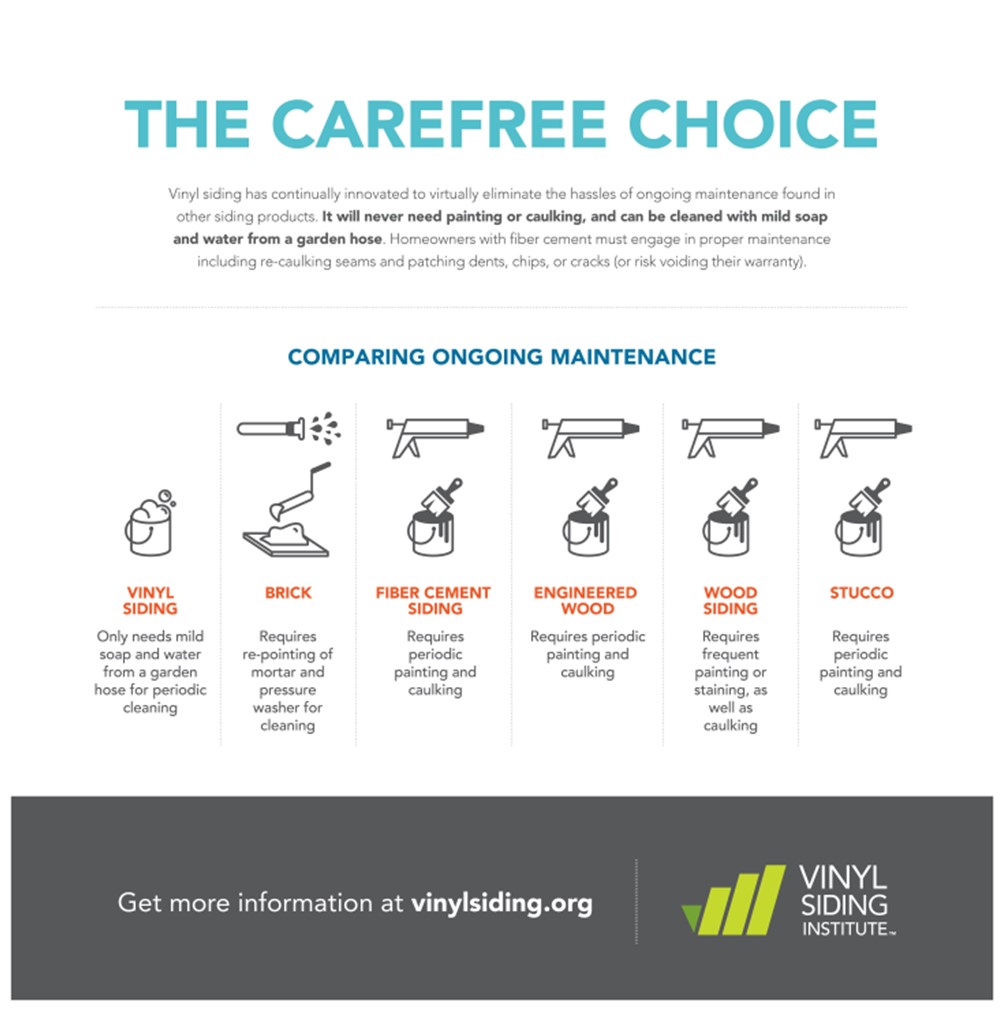
Learn more about Vinyl Siding and how it outperforms most other home siding materials.
Click here to go to: Vinyl Siding Institute
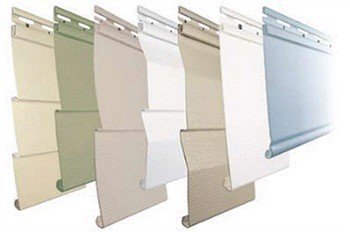 Vinyl Siding Styles. Sometimes called the profile.
To see more information on Clapboard Vinyl Siding Click Here.
Vinyl Siding Cost
What does vinyl siding cost? Vinyl Siding comes in several different price categories,
- economy grade,
- builder grade and,
- premium grades.
- It also comes in insulated and non-insulated panels.
When you compare different home siding materials, including not only the initial purchase price of the siding but also look at the long-term maintenance and repair expenses.
Keep in mind that while some materials may have a higher up-front cost, they could offer savings over many years due to their durability and low maintenance requirements.
For More Information on Vinyl Siding Cost, Click Here
Tip: There are many things that go into getting a price to install new siding of any type. Look at some of the important items you must be familar with before you talk to the contractor about price.
For More Information on How To Buy Siding Click Here
Fiber Cement Siding
Fiber Cement Siding is strong, looks just like real wood, much less maintenance, more durable that wood or vinyl.
It can be molded to mimic wood, clapboard, and even shingles. It looks just like real wood, only more durable.
Fiber cement siding resists expanding and contracting with changes in humidity and temperatures. It is fire resistant; termite-proof and it won't rot.
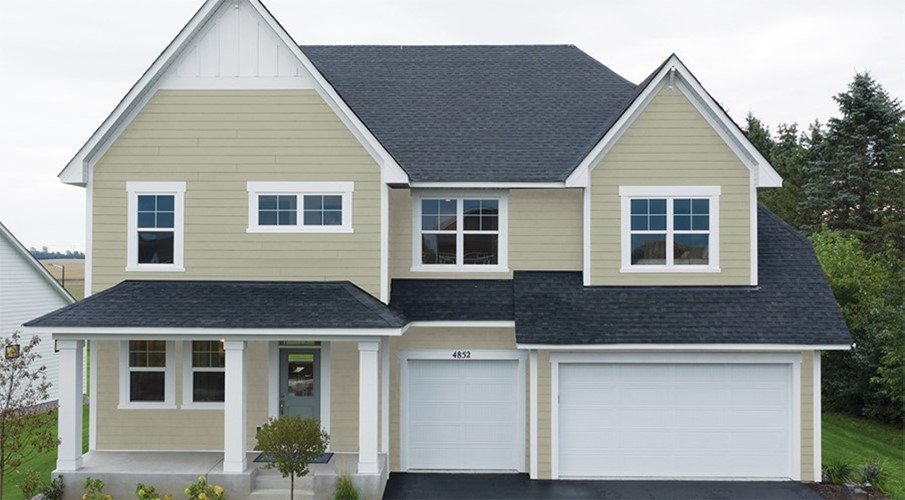
Installing new Fiber cement siding on your home may be one of the best investments you can make. Prices of homes are going up dramatically everywhere, replacing the exterior siding may be the answer for you. A brand-new look for a fraction of the cost of building a new house.
A new siding will increase the value of your home, make it fresh and new looking again, and it will completely change the look of your house. It's like buying a new house without all the cost.
And you can install new siding on almost any house, even brick, stucco, or stone.
Cost runs in the $5 - $15 per square installed. $15,000 to $25,000 for average two story house.
It is a great choice for high wind areas and coastal regions, especially like Florida.
To see more information on Fiber Cement Siding/James hardie board Click Here
Vinyl Cedar Shake Siding
Vinyl Cedar Shake Siding is perfect for the natural look of the outdoors. Looks just like real cedar shakes but without all the maintenance and upkeep of real wood shakes. And it is much less expensive.
It comes in many assorted styles, textures, and colors. Doesn't rot or warp, and it resists termites and other insects.
Cedar Shake House Siding.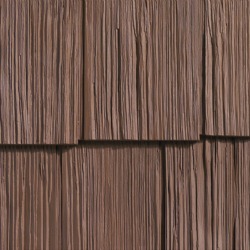 Beautiful Cedar Shake Siding in vinyl.
For more information on Vinyl Cedar Shake Siding Click Here
What Is the Best Home Siding?
There is no best home siding because every house is different and location, neighborhood, weather, and budget must fit into the equation. What is best for someone who lives on the coast with intense winds and high moisture will be different from someone who is in the Mid-West suburbs where harsh winter winds and snow are a factor.
In general, vinyl siding is the most popular home siding in the U.S. Vinyl siding comes in many diverse types, styles, colors, patterns and will fit any budget from economy to premium brands.
People who need more durability may want to investigate concrete boards such as Hardie Board or engineered wood that are stronger than vinyl and can withstand strong, harsh weather and even hurricanes.
These kinds of problems must be addressed before the contractor can start the project.
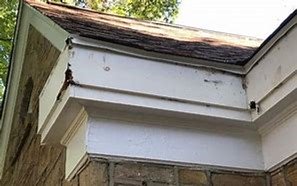 Water-Damaged Soffit